While Expedia’s travel guide to Vienna successfully portrays Vienna’s musical, cultural and historical heritage, it also manages to essentialise the country and reduce it down to a neat package that appeals to the tourists. Describing Vienna “as the city of music” ignores the many other places that have too influenced the performing arts world of Vienna. Vienna prides itself on birthing some of the world’s best composers such as Strauss and Beethoven , meaning that its claim over the Waltz, especially the Blue Danube, is representative and symbolic of Viennese and their culture. In an earlier post, I described the importance of the Waltz in Vienna and I now realise that I have fallen into the trap of place essentialism. I was unaware that by exploring stereotypical features of what might be expected to be “quintessentialViennese” actually fails to recognise the nuances and the multiple identities that too contribute to the development of the Waltz.
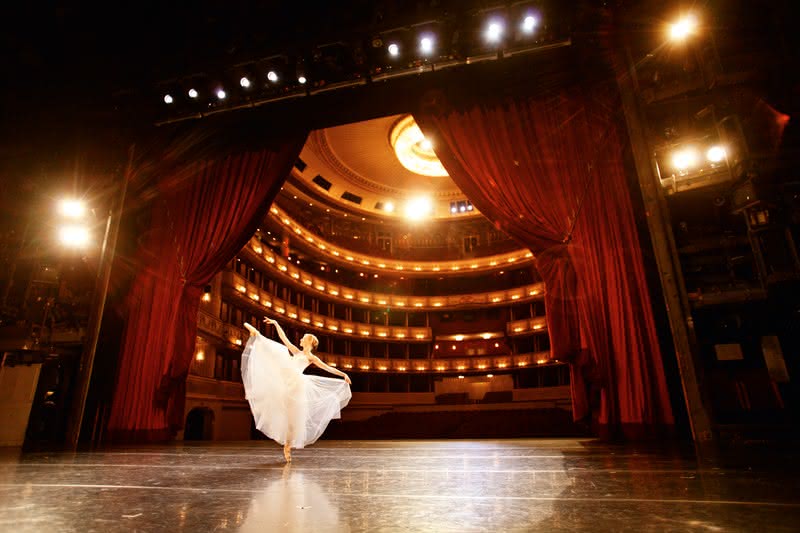
Grand, generalising claims that are often made in tourism videos further the idea that there is an innate and unchanging essence to a particular country. In the Vienna Vacation Travel guide, the narrator claims that Vienna is home to “one of the great opera houses of the world” and that this place “casts a spell over opera and ballet lovers.” What this does it reduce Vienna’s art culture down to singular events and establishments that have contributed to the entertainment business of Vienna. Ensuring that we do not take what we see at face value, we can peel back the layers and obtain a more holistic understanding of how “what has come together, in this place, is a conjunction of many histories and many spaces.” (Dorren Massey) Obviously, there is more to Vienna’s culture than its artistic scene.
 Girl's guide to Solo Travel